Shoulder physiotherapy in Terrassa
Reviewed by Oriol Martínez Picas, registered physiotherapist (Col. 10224) · Updated
Rotator cuff tendinopathy, thrower's shoulder, instability, frozen shoulder and biceps tendinopathy: physiotherapy in Terrassa.
Conditions I treat
Rotator cuff tendinopathy
Tendon pain from overload or degeneration. We assess the tendon with ultrasound and work on progressive loading, with EPI when appropriate.
What you may notice: Pain when lifting the arm, especially between 60° and 120°; night pain when sleeping on the shoulder; a feeling of weakness when lifting objects.
Thrower's shoulder
Overload in throwing and overhead sports (handball, water polo, tennis, swimming). We address mobility, strength and sporting technique.
What you may notice: Pain when cocking and accelerating the arm, loss of speed or accuracy, a «tired» or «dead» arm during sport.
Shoulder instability
Loss of control of the joint, with repeated subluxations or dislocations. Rehabilitation focused on motor control and strength.
What you may notice: A feeling that the shoulder «gives way» or slips, fear of certain movements, clicking and pain with overhead movements.
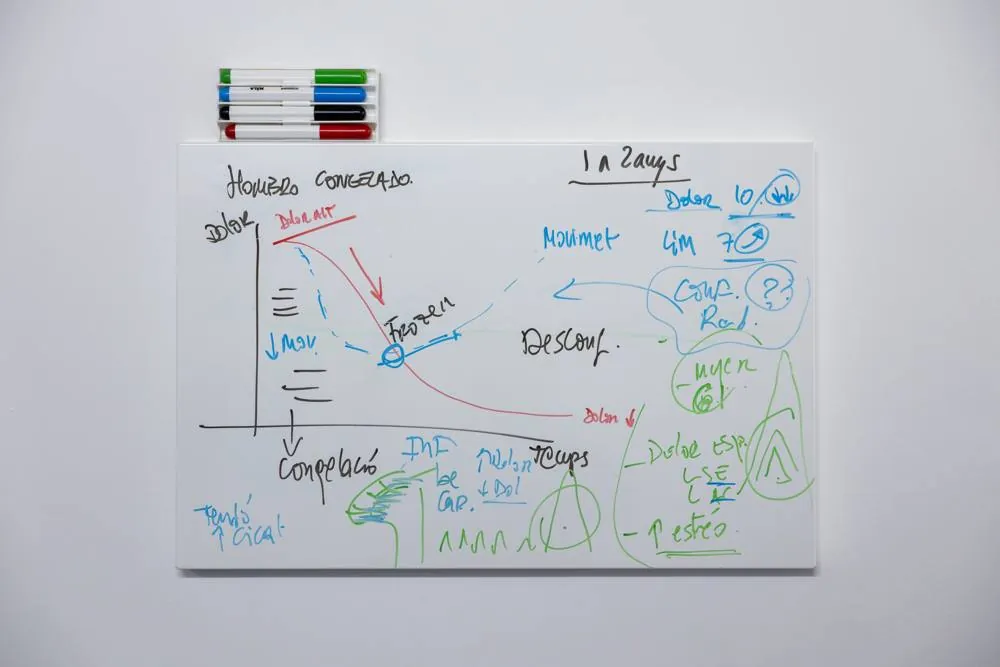
Frozen shoulder
Adhesive capsulitis: the joint capsule becomes inflamed and stiff. Manual therapy, guided mobility and exercise adapted to each phase.
What you may notice: Deep pain, especially at night, and progressive stiffness; it becomes hard to comb your hair, get dressed or reach behind your back.
Long head of biceps tendinopathy
Overload of the biceps tendon at the front of the shoulder. Ultrasound assessment and load management, with EPI or dry needling if needed.
What you may notice: Pain at the front of the shoulder running down the arm, worse when lifting objects or bending the elbow against resistance; sometimes a click.
What it involves
Specialised physiotherapy in Terrassa: each plan is tailored to your injury and your situation. First we assess, then we choose the technique.
- Ultrasound assessment of the shoulder tendons
- Manual therapy to restore mobility
- Exercise and strength rehabilitation
- EPI and dry needling when indicated
If the pain doesn't improve within a few weeks, limits you or returns every time you resume activity, an assessment is worthwhile. After a hard blow, significant swelling or if you can't bear weight, see a doctor or the emergency department first.
Conditions in this area
Want me to assess your case?
Message me and I'll book you in Terrassa. Standard visit: €60 (fees).
Book via WhatsApp